Greater & Greener registration is now open at greatergreener.org
Today’s Park Leaders: One Job, Many Hats
City park leadership today requires a rare skillset: the ability to manage people, steward nature, and respond to unpredictable, rapidly changing circumstances. To help communities thrive in turbulent times, park leaders have moved far beyond traditional roles. The most successful are finding innovative ways to deploy park and recreation resources that deliver significant city-wide results. Their stories will be on display at Greater & Greener 2026.
As City Parks Alliance prepares for the global conference in Austin this June, I’m seeing seven distinct patterns emerge in how the most successful park leaders from cities of all sizes navigate today’s challenges to strengthen communities, boost local economies, and nurture a shared sense of belonging.
The System Integrator City parks don’t stop at the fence line; they bridge boundaries to encompass broader city issues. Today’s park and recreation directors oversee agencies that conduct land transactions, interface with transportation and water systems, support public health priorities, spur job growth, and boost tourism and civic pride. These systems integrators view the diverse assets they manage—from pools and trails to historic sites — as essential infrastructure that can be leveraged for multiple outcomes. Whether transforming decommissioned airports or building in dense downtown areas, complex park projects may take decades to build. Successful leaders deftly navigate and balance evolving local and regional needs across different political jurisdictions to deliver transformational results: nature access for underserved kids, a hub for walkable communities, and revitalized urban centers.
The Community Partner Successful leaders unlock a park’s potential through collaboration with community members, nonprofits, and institutional partners. They don’t just manage land; they build ecosystems of trust. By prioritizing community preferences and tapping into local knowledge, park leaders can turn challenges into opportunities. Collaboration yields endless possibilities: partnerships between faith-based groups and local park friends can provide volunteers to make parks shine and boost neighborhood pride; community development groups can spark small-business growth at a park’s edge, and joint efforts with university researchers can quantify a park’s impact on chronic disease reduction, providing the data necessary to secure sustained public funding.
The Political Mover Sometimes community partnerships deliver direct financial resources, such as program sponsorships or grants. Yet the majority of city park funding still comes from municipal budgets, which remains a perpetual challenge. Park leaders need to move quickly. Today, newly elected officials are eager to appoint their own park and recreation agency heads to implement their agenda, often leaving new leaders little time to read the landscape and effect lasting change. Politically savvy leaders work across public sectors to leverage limited resources and align parks with mayoral priorities by positioning green spaces as community assets.
The Chief of Fun In an era of epidemic social isolation, parks are essential venues for connection and inspiration. The most effective leaders serve as Chiefs of Fun, helping people of all ages reconnect and find enjoyment through creative programming and authentic local experiences that draw on food, the arts, and history, and even friendly competition. Global Gatherings in Tulsa offers a summer-long series of free cultural events showcasing a different global region each week. Houston’s Emancipation Park’s annual Freedom Festival celebrates Juneteenth with live music performances, Black-owned vendors, and cultural exhibits. In Minneapolis, the Parks & Recreation Board closed city streets to create pop-up pickleball courts on public roadways for a recent tournament.
The Natural Innovator Protecting park ecosystems—from woodlands to deserts—requires a deep understanding of the ecological systems that support all life. Successful leaders balance diverse user needs with environmental resilience, managing living systems to withstand modern stressors. Golf courses are being redesigned to manage stormwater runoff following hurricanes, and “food forests” are providing sustenance to local residents. In this highly intricate environment, park leaders are learning by doing to stem biodiversity loss, protect the tree canopy, maintain clean waterways, and keep park users happy. This approach requires new skill sets for maintenance and operations, creating a workforce development opportunity to grow a new generation of practitioners who are both nature-forward and people-friendly.
The Flexible First Responder As we experience climate change, park space and facilities can be repurposed to help communities get through natural disasters and other threats. In recent years, recreation centers have become cooling centers or energy hubs during heat waves. In some cases, park lawns have become temporary health clinics or food distribution sites. Park and recreation staff are increasingly serving in an emergency response role, fulfilling social service needs to care for the most vulnerable and help them recover, and providing positive recreational activities and connections to other human service agencies. Flexible management is the key as the parks and recreation profession evolves and responsibilities broaden.
The Civic Uniter Parks strengthen human resilience in other ways, as sites of remembrance or protest, where communities respond to injustice, past and present. Indeed, across the country and around the world, public spaces have become stages for democracy in action, places where people not only gather to recreate but also to raise their voices for change. Park leaders must actively manage parks as a safe public forum for expression, often while history is unfolding, and create opportunities for dialogue around unresolved issues. A city can become more united in the process, enriched through the way history is reflected in park design, signage, and programming.
Learn from Leaders in Action
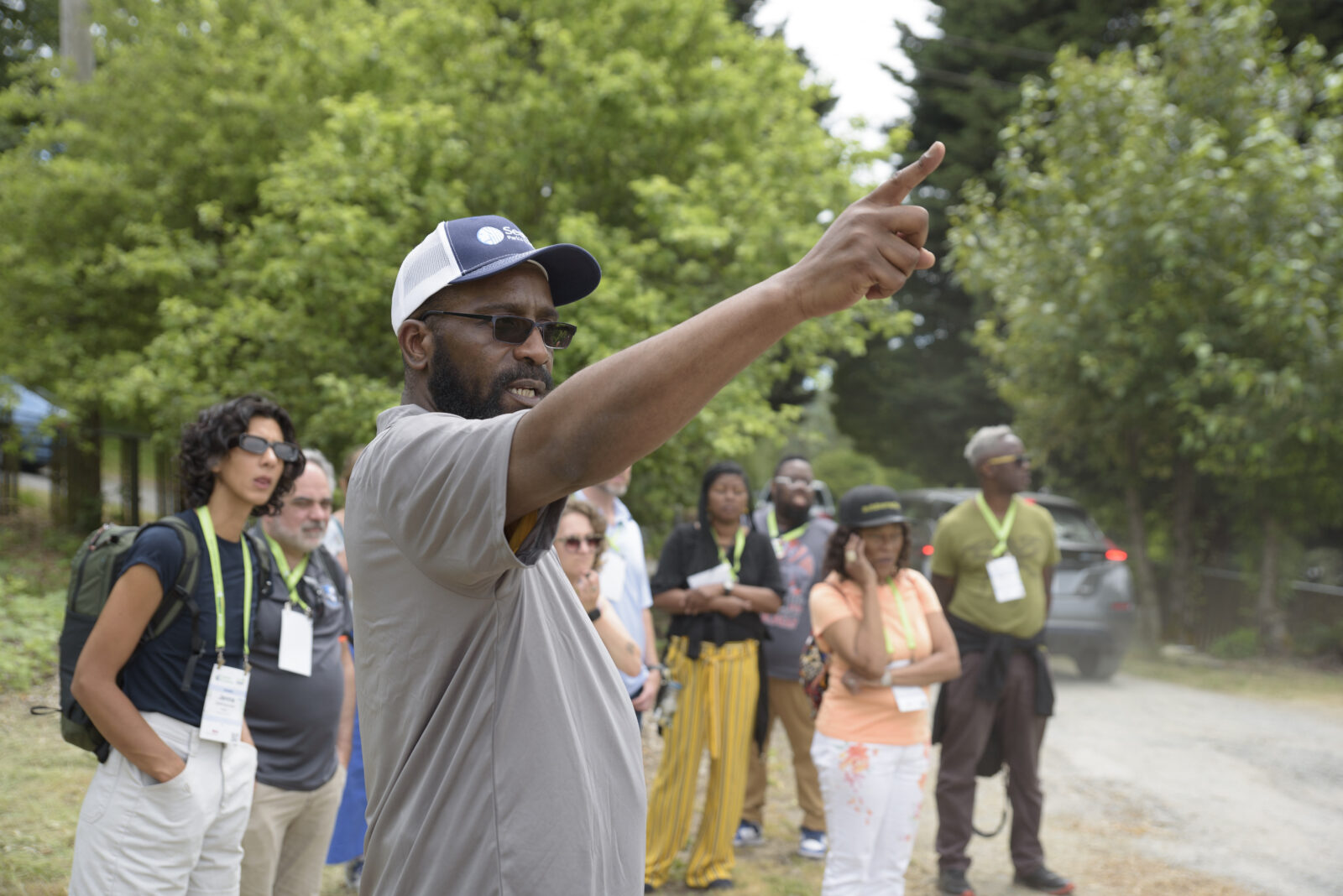
In partnership with NC State University, our Urban Park Public Agency Leadership workshop at Greater & Greener 2026 will take a deep dive into these skills with the leaders who model them.
Whether you are a seasoned director, just starting out, or hoping to be one in your next job, join us in Austin this June to learn more throughout the conference from a diverse set of leaders who are redefining how to meet the demands of today’s parks and more effectively support their local communities.