
City Parks Alliance’s research and case studies help parks professionals make the case for park investments. These resources provide parks professionals, city officials, and advocates with data, practical strategies, and real-world examples to strengthen urban park systems.
Parks have great potential for green stormwater infrastructure. Green stormwater infrastructure (GSI) manages runoff naturally, reducing flooding and pollution while enhancing urban resilience, creating green spaces, spurring jobs, and improving public health.
City Parks Alliance has worked with a cohort of parks and stormwater agency leaders from eight cities across the country to inform how to increase collaboration between the parks and stormwater management sectors and address historic inequities.
In our Parks and Technology report, we cut through the noise to help you navigate the opportunities, benefits, and challenges of using technology in urban parks. You’ll learn how technology can help you make data-driven decisions, manage park spaces, foster community engagement, advance equity, and expand storytelling about place. This report is your guide to harnessing tech to create smarter, more inclusive parks.
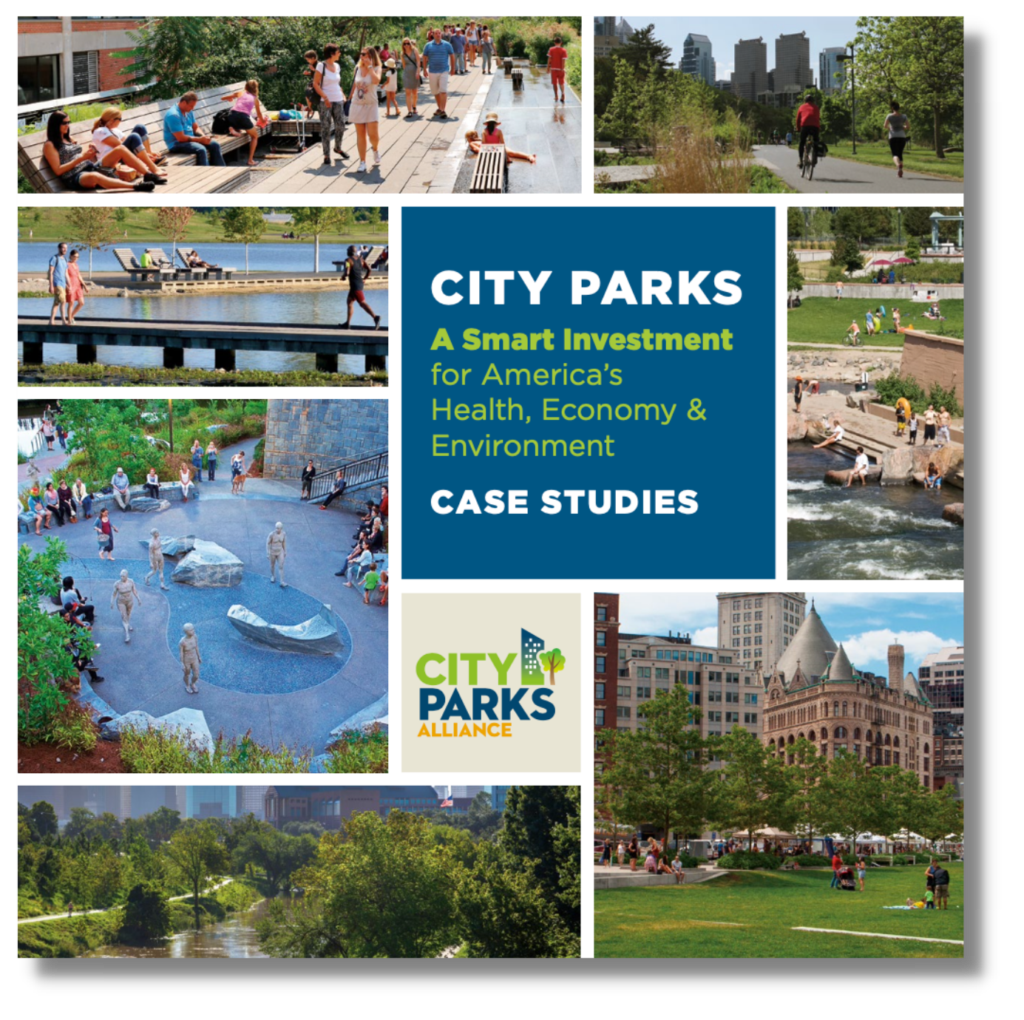
Parks as Critical City Infrastructure
Parks improve health, spur economic development, and build climate resilience. This video series and case study report show how 11 American cities have leveraged parks to address urban challenges from stormwater management to economic revitalization.
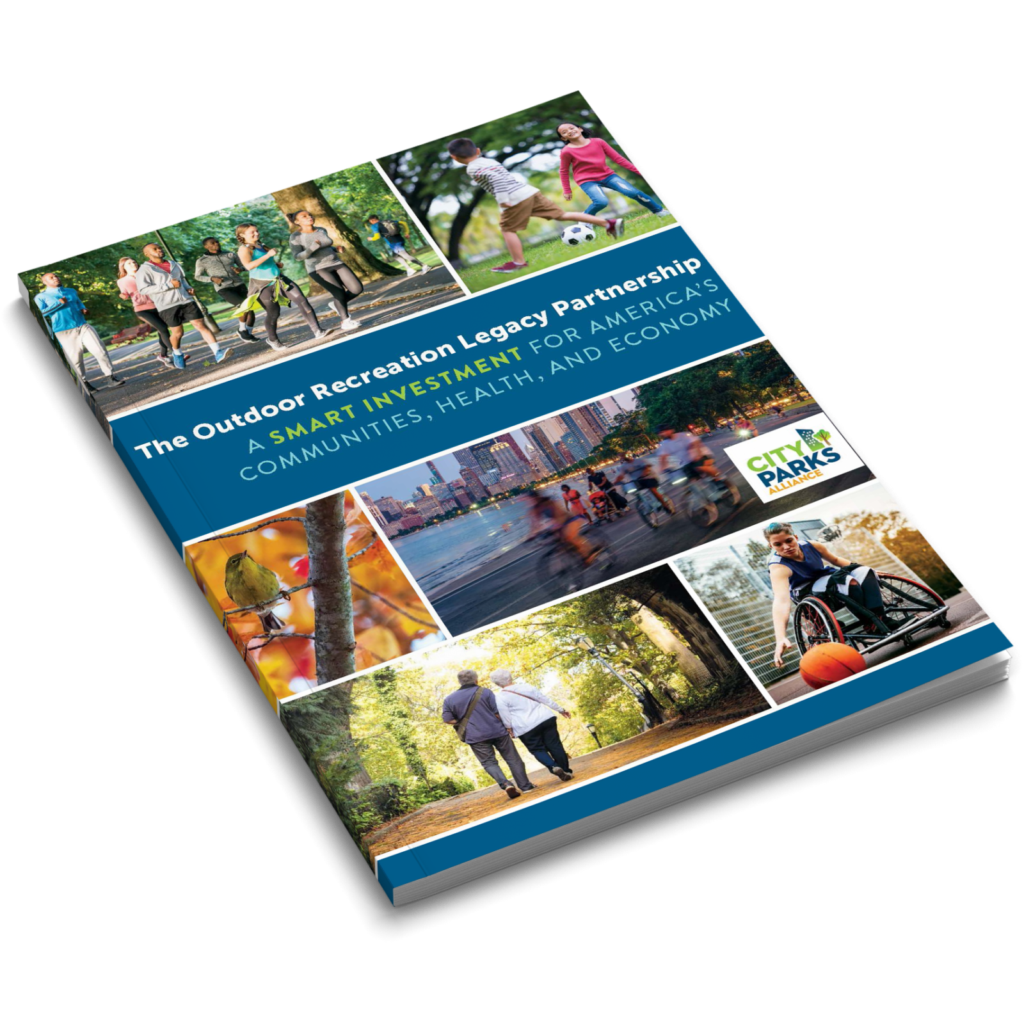
The Outdoor Recreation Legacy Partnership: A Smart Investment For America’s Health, Economy, And Environment
Three City Parks Alliance reports demonstrate how the Outdoor Recreation Legacy Partnership (ORLP) program is a smart investment in locally led park and recreation projects in communities across the U.S. They highlight the health, economic, and environmental benefits of city parks, provide ORLP case studies, and mayoral testimonials.
Compelling health, economic, and environmental data that demonstrates the measurable returns of park investments. Use this resource to equip city officials and advocates with the evidence they need to support park funding.
Innovative techniques and strategies cities use to address funding gaps for capital projects and ongoing maintenance. Includes case studies from 11 urban park systems and examples of public funding mechanisms and public-private partnerships.

Active Parks, Healthy Cities distills the findings of the National Study of Neighborhood Parks into four major recommendation categories: Programming, Design, Marketing and Outreach, and Measuring Park Use. The report curates multiple case studies for each of the four major findings from cities of different sizes and geographies for park and recreation professionals, health organizations, advocacy groups and others to replicate. Neighborhood parks that are well designed, programmed and marketed present an opportunity to address public health challenges.
How arts and cultural expression can create or rejuvenate parks and open spaces through cooperative, community-based processes. Includes a how-to guide and 11 case studies.