
Kenneth Allen, director of the Houston Parks and Recreation Department, remembers riding his bike to MacGregor Park near his childhood home in Houston, full of anticipation. As a kid, he loved swimming in the pool and playing on the ball fields.
Decades later, Allen is partnering on a major overhaul of the park that has been a beloved community asset and training ground for elite athletes—but was “aging and in need of support,” as he put it.
Ten million dollars from the Outdoor Recreation Legacy Partnership (ORLP) federal grant program is key to the park renovation. Significant enhancements to the entire park are being planned: a brand-new tennis clubhouse and new tennis courts, native landscaping throughout the park, an inclusive playground for children of all ages, and a new walking trail that will connect all the park’s main features.
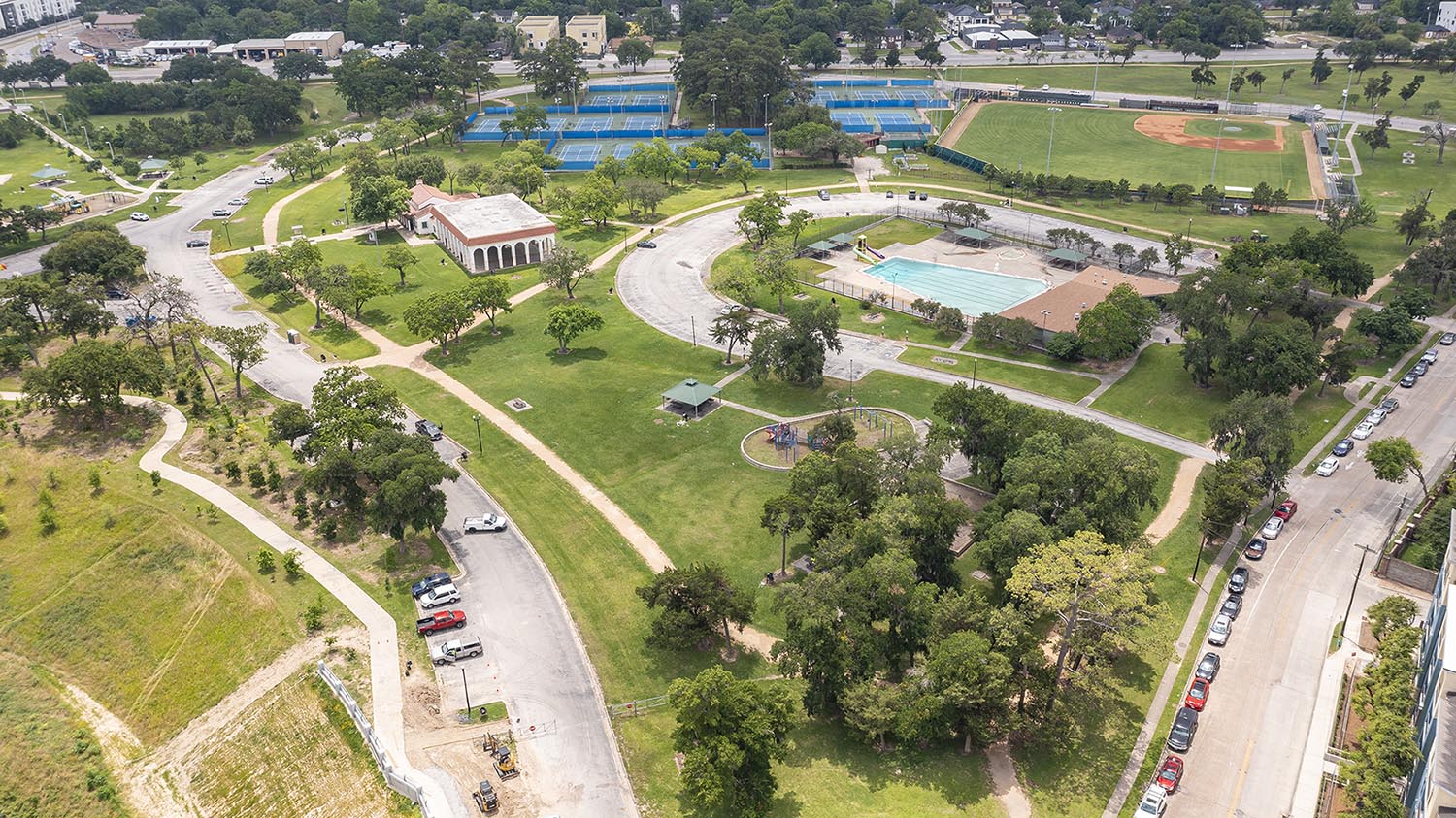
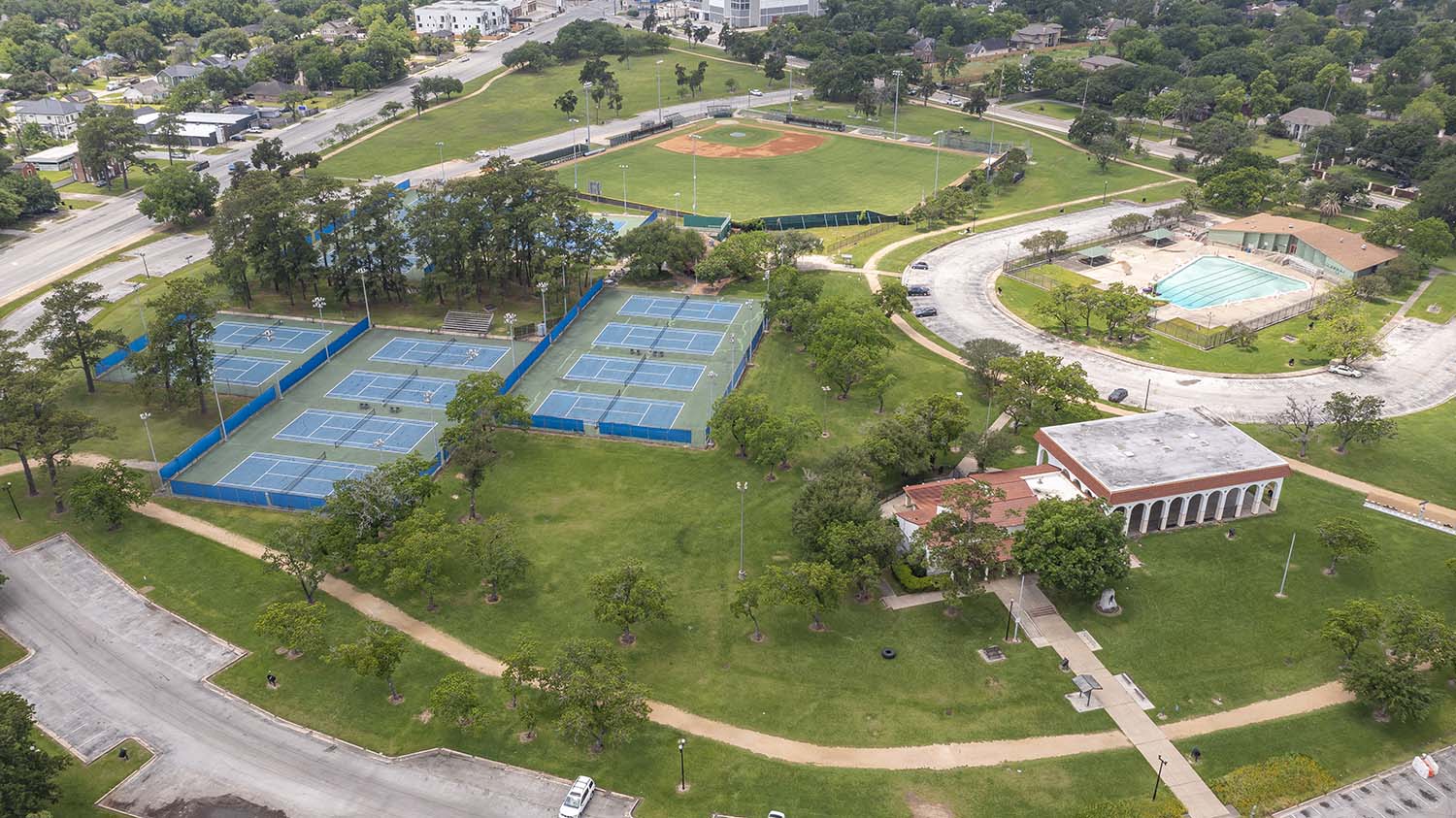
The ORLP, funded through the Land & Water Conservation Fund, helps cities address their most pressing park and recreation needs. The nationally competitive program offers matching grants that empower local leaders to create and improve community parks.
Public funding, including ORLP, has been leveraged to secure over $35 million in private funding, led by the Kinder Foundation’s $27 million catalyst gift. “It is a tremendous honor to receive ORLP funding, recognizing that these grants are very competitive,” said Justin Schultz, President and CEO of the Houston Parks Board. “MacGregor Park has been a gathering place for the community for nearly a century, where neighbors, active recreation, and civic life coexist.”
“The addition of this grant to the revitalization of MacGregor Park is a statement of the park’s historical significance and that of Houston’s Third Ward, since preserving the park’s legacy is equally as important as providing expansion opportunities for community recreation and a stronger connection to nature.”
Allen noted that the overhaul will help local businesses, as the park is right near the University of Houston and draws people from all over the city. The park improvements will help the park officially host such civic gatherings, especially since changes will mean traffic doesn’t flow through the park. Instead, there will be places for food trucks and vendors to park during events, creating opportunities for local entrepreneurs.
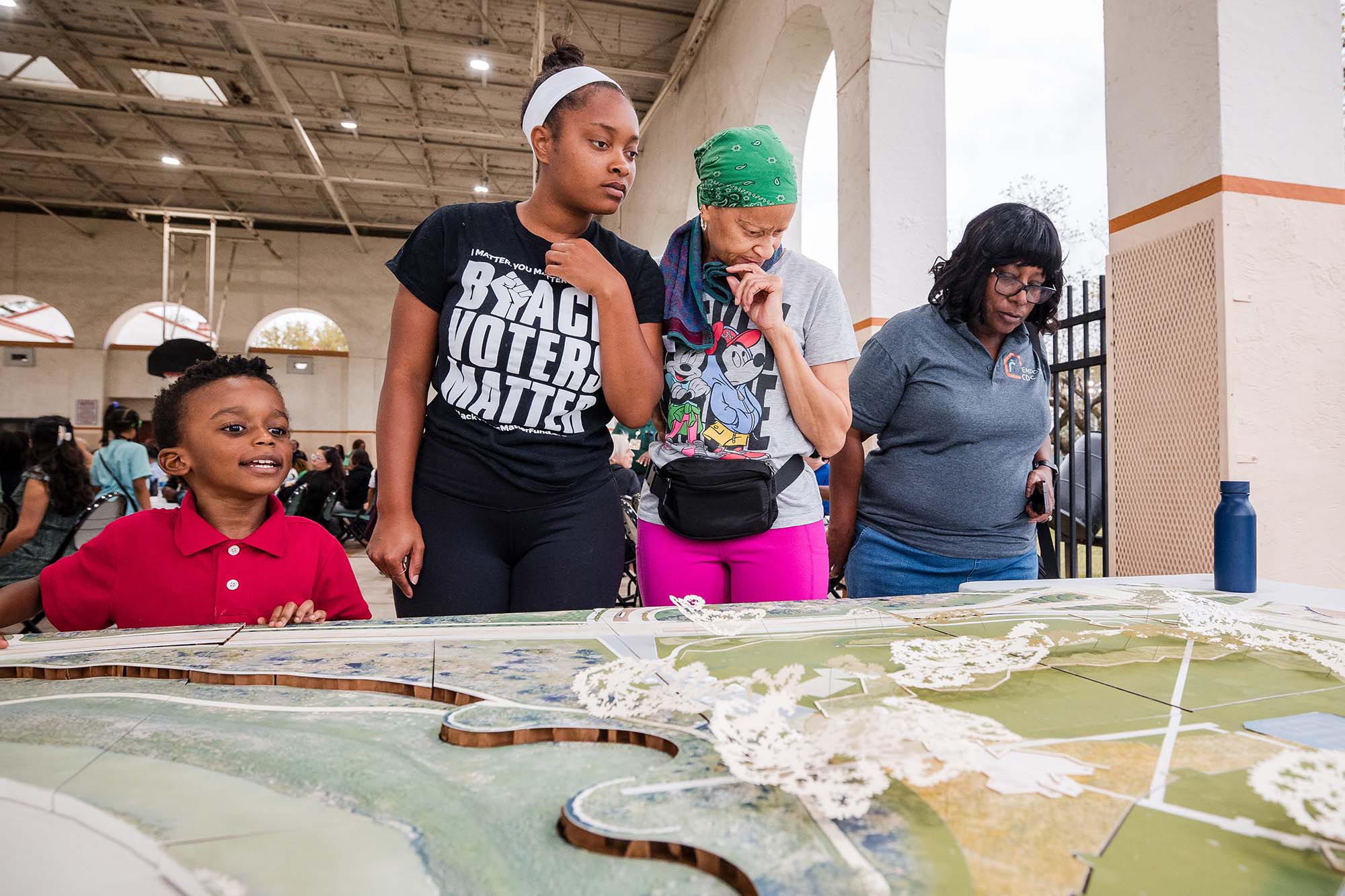
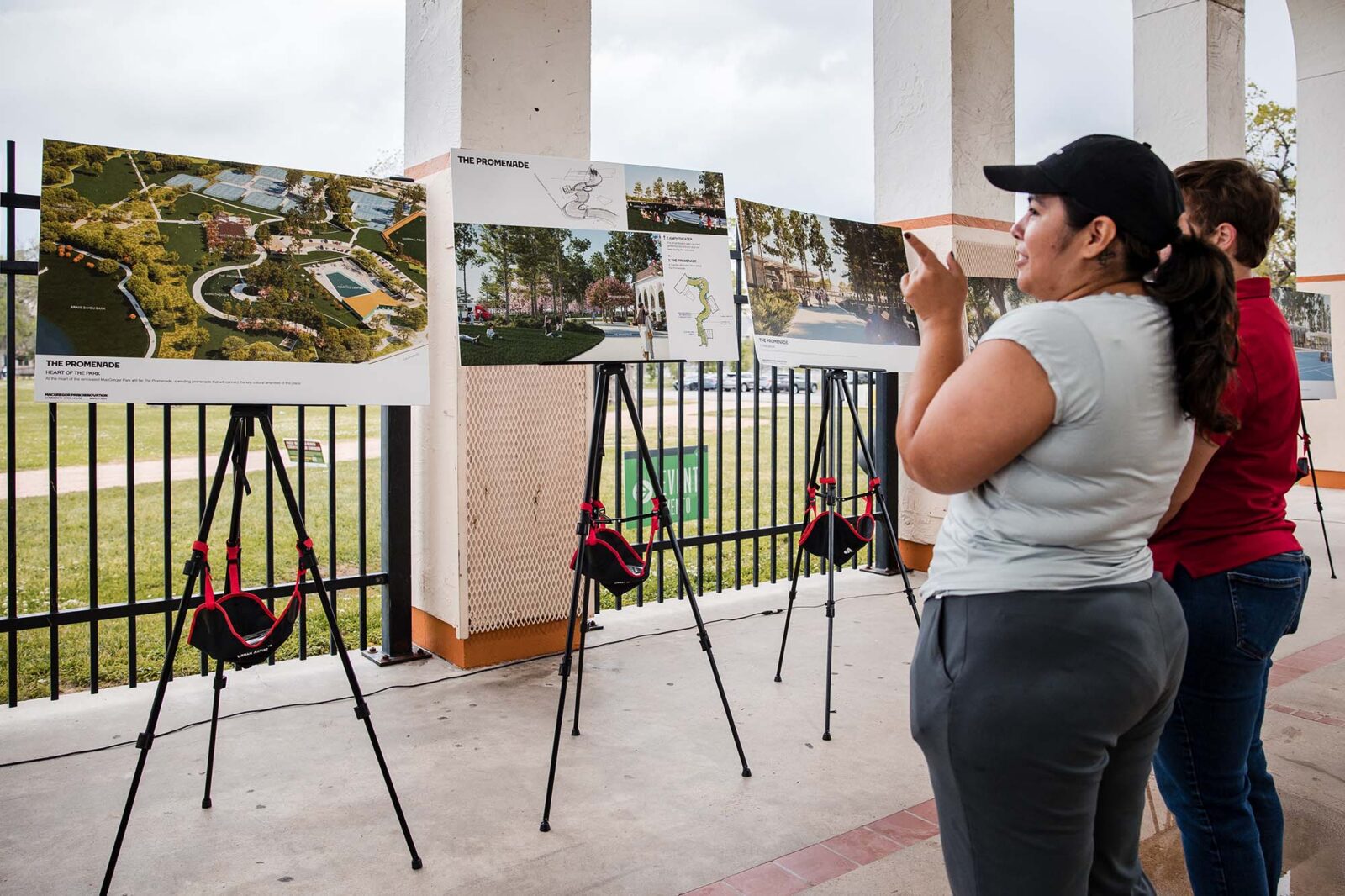
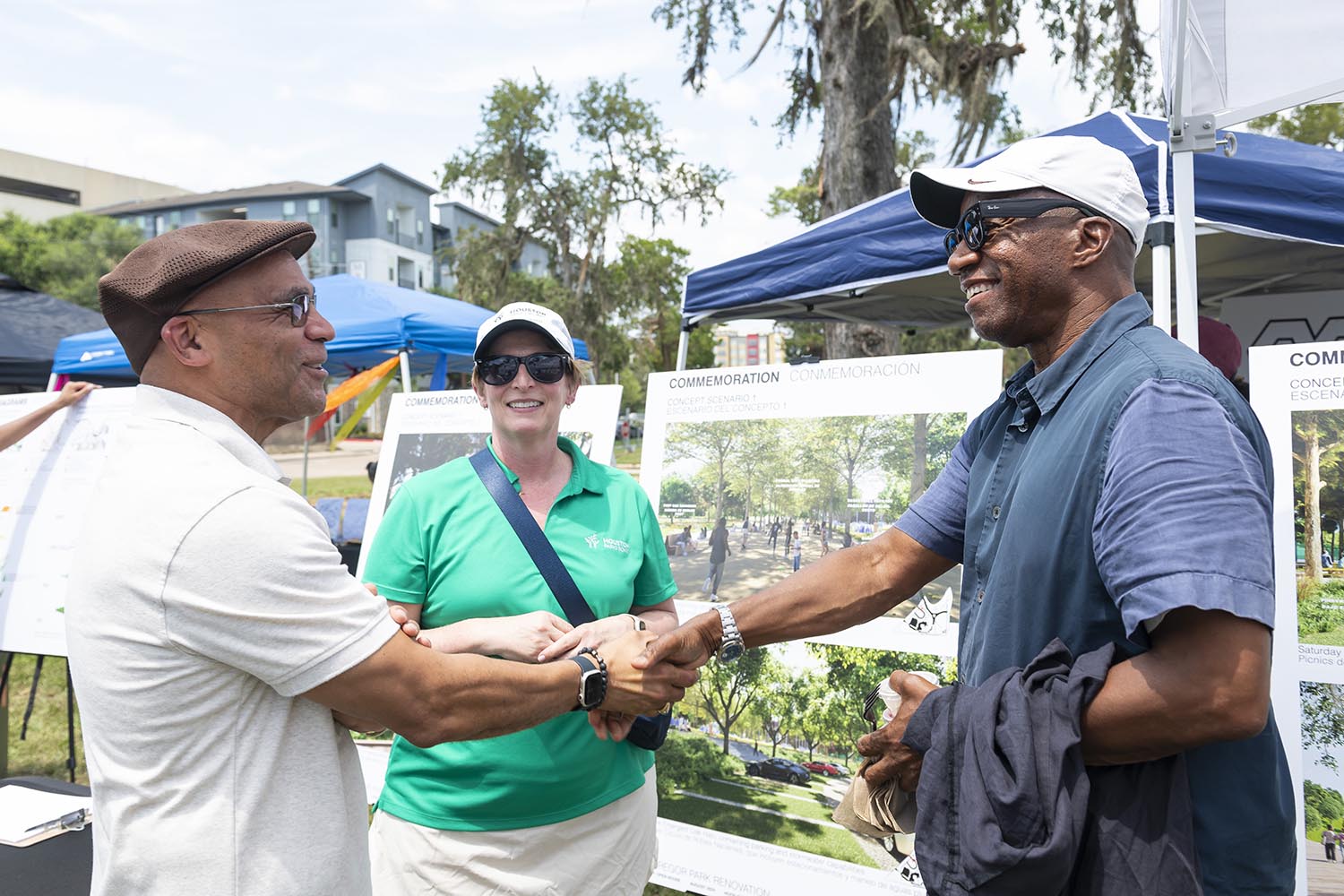
Planning and design work has been ongoing over the past decade in conjunction with community groups, including 1,200 community interactions through meetings, work sessions, events, a survey, and thousands of emails. The project is slated to go into construction this fall and be completed by the end of 2028.
The Olympic-size pool will be the training and testing ground for lifeguards serving the entire city’s 37 pools. It desperately needs repairs because of serious plumbing issues and problems from the ground shifting.
“The pool has a very special place in my heart,” said Allen. “From a community standpoint, it’s a place where we do a lot of teaching, learn-to-swim, water aerobics, general swim, and lap swim. The community is going to get a virtually new pool.”
MacGregor Park is in a historic African American enclave. The park features a statue of Martin Luther King Jr. by sculptor Ken Washington, unveiled in 2014.
“MacGregor is such a strong fit for ORLP because of its historic and cultural aspects,” said Beth White, former Houston Parks Board President and CEO. “ORLP invests in parks that serve as community anchors, and that is really exemplified by this park. It sits in a powerful intersection of culture and ecology, and it’s a gateway to the larger Bayou Greenway system.”
Barron Wallace was board president of the Houston Parks Board from 2019 to 2024 and made major strides in advancing the MacGregor Park revitalization.
Wallace moved near MacGregor Park three decades ago, and since then, he’s experienced the different phases in which a family uses a park. With young children, he looked for safe swings and a playground, and later sought swimming lessons and Little League—amenities that were then lacking at MacGregor.
“You could tell it used to be really nice but had a little age on it; the staffing and resources were lacking,” he said. With kids grown, now Wallace is more interested in walking and appreciating the stately trees and raptors in the park.
“It’s been really neighborhood- and community-driven,” he said of the plan. When Wallace is out walking, people often stop him to ask if the park renovation is still happening.
“It can be an under-resourced area,” he said. “You often get a lot of promises, but you don’t always get the follow-through. I’m looking forward to the groundbreaking when people can really grasp the fact that there are going to be improvements.”
For Allen, it is a moment of coming full circle.
Allen himself is among the top athletes who grew up at the park; he later played football for Indiana University. Tennis star and Olympian Zina Garrison was on the junior team at the park’s tennis center; she became one of the first African American women luminaries in the sport. Members of “Phi Slama Jama,” a nickname for the University of Houston’s legendary basketball team in the 1980s, shot hoops at the park.
The renovations will mean the park can nurture such athletic talent into the future, as well as being a place for kids, youth, and adults of all ages to exercise, play, relax, and enjoy green space.
“After seeing this process unfold over all this time, now it’s like all of a sudden you’re locked into warp speed,” Allen said. “From being a kid going to the park to my perspective now, it’s amazing.”
The City Parks Alliance blog on MacGregor Park was written by Kari Lydersen. Kari is an assistant professor of journalism at Northwestern University and a Chicago-based journalist and author.