As cities become more densely populated and concern about the impact of climate change increases, planners, elected officials, and community advocates are using parks to help address critical urban infrastructure and public health issues. Parks are recognized as powerful tools for urban communities and local economies.
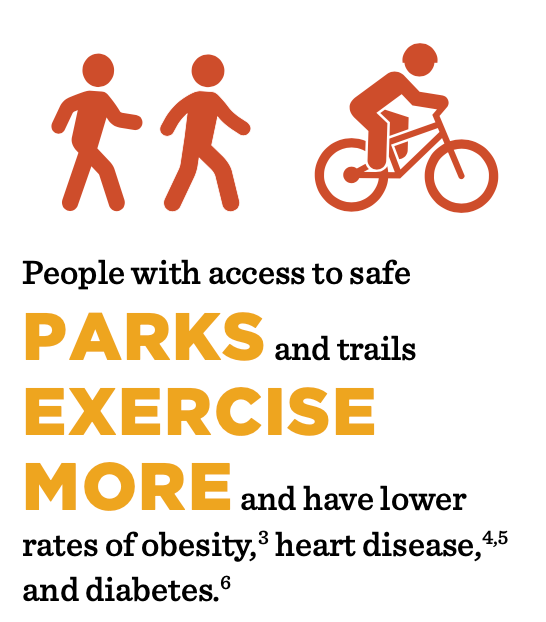
City parks encourage active lifestyles, improving physical and mental health and lowering healthcare costs.
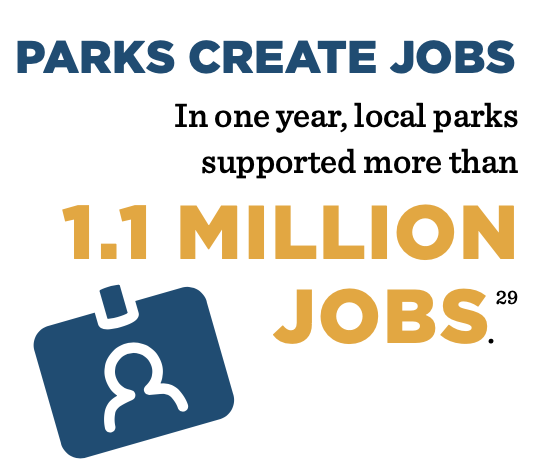
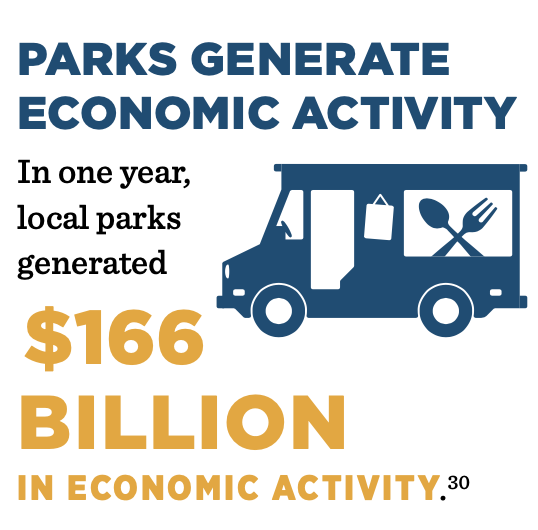
Parks attract residents and businesses, increase revenue for cities, spur private investment, and increase job opportunities.
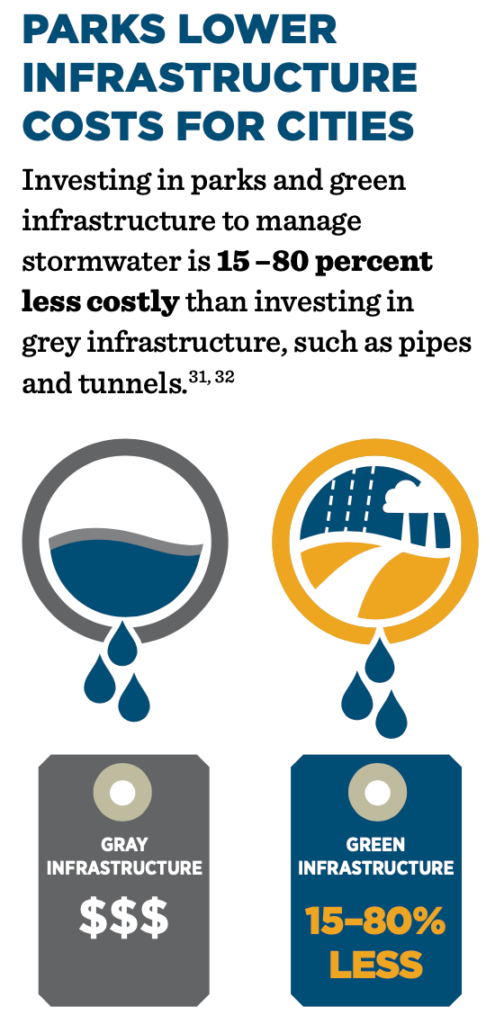
Parks play a crucial role in helping cities mitigate the effects of extreme weather and a changing climate by soaking up heavy rains and reducing extreme heat. Cost-sharing across agencies can save money on park creation, maintenance, and programming, allowing cities to fully leverage the many benefits of parks to cities and residents.
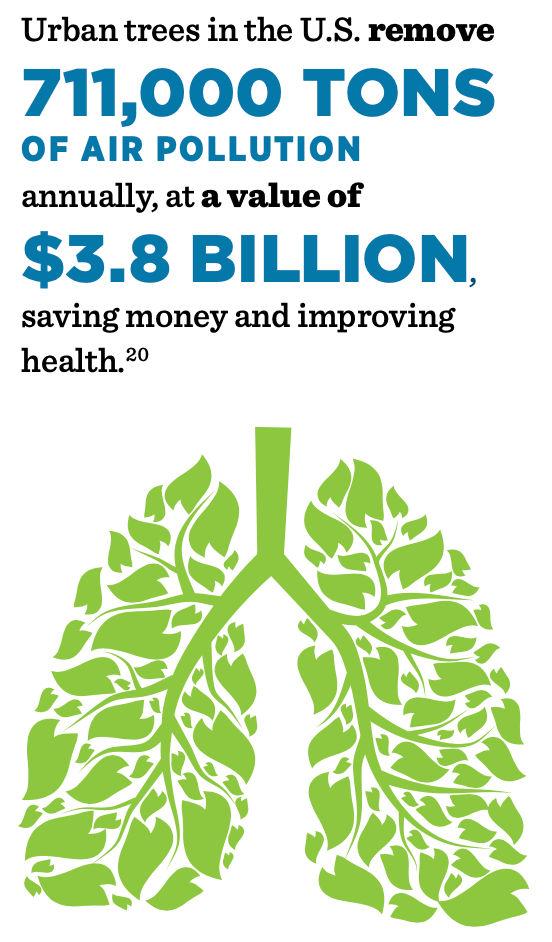
Trees in urban parks remove toxins from the air. Green spaces filter rain, reducing water pollution, protecting drinking water, and decreasing the rates of waterborne illness. Green spaces in cities also help cool our cities, reducing the heat-island effect and its harmful impact on human health.
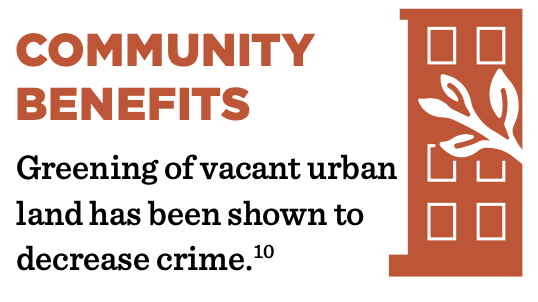
Neighborhood parks bring area residents together, creating a stronger community. Research shows that there is less crime in residential areas close to parks, in part because these green spaces are frequent gathering places for neighbors to connect.
Vibrant parks and green spaces are at the center of resilient and equitable cities, and increasingly, agencies and public officials are leveraging the many benefits of parks to meet their city-wide equity goals. Through community engagement and applying an equitable approach to park funding, park leaders, public, private, civic, and philanthropic partners are directing investments to communities in greatest need.